
The Importance of Automotive Interior Design in Enhancing Driving Experience
When purchasing a car, most people are initially drawn to its exterior styling. However, once they start using the vehicle regularly, it is the interior that truly defines the overall driving experience. Factors such as comfort, convenience, safety, and in-car technology have a direct impact on how enjoyable every journey feels. This is why automotive interior system design has become a critical focus area in the modern automotive industry.
Today, vehicle manufacturers are heavily investing in intelligent, comfortable, and user-centric interiors to enhance the experience for both drivers and passengers. Companies like Auto Alpha offer advanced engineering solutions for automotive interior and exterior systems, helping develop innovative and modern vehicles.
What is Automotive Interior System Design?
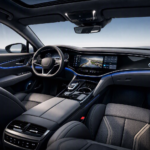
Automotive interior system design refers to the process of planning, engineering, and developing all interior components of a vehicle. These components typically include:
- Dashboard systems
- Door trims
- Seats and center consoles
- Instrument clusters
- Infotainment systems
- Interior lighting and storage spaces
The primary objective of automotive interior systems design is to ensure that the vehicle interior is comfortable, safe, functional, and visually appealing.
Modern cars are no longer viewed as simple transportation tools. Instead, users expect a seamless blend of luxury, smart features, and convenience. This shift has pushed automotive interior companies to design interiors that significantly improve usability and customer satisfaction.
The Six Pillars of Great Automotive Interior Design
Effective automotive interior system design is built on six key pillars. Each contributes to the overall driving comfort and experience.
1. Seating & Ergonomics
Seats are designed to provide proper body support during long hours of driving. Features like lumbar support, adjustable headrests, and optimized cushioning help reduce fatigue and discomfort.
2. Dashboard & Controls
The dashboard layout must ensure that all controls, buttons, and displays are within easy reach and clear view of the driver. A well-structured layout improves safety by reducing distractions.
3. Materials & Surfaces
The choice of materials such as leather, fabric, wood, or metal influences both the visual appeal and tactile experience of the cabin. These materials also define the overall premium feel of the vehicle.
4. Infotainment & Technology
Modern vehicles rely heavily on digital systems for navigation, entertainment, communication, and vehicle settings. A well-designed interface ensures ease of use, responsiveness, and safety while driving.
5. Ambient Lighting
Automotive interior design now includes intelligent lighting systems that enhance visibility, improve mood, and create a more spacious and comfortable cabin environment.
6. NVH (Noise, Vibration, and Harshness)
Reducing unwanted noise and vibration is essential for comfort. Designers use insulation materials and soundproofing techniques to create a quieter and more refined driving experience.
Importance of Automotive Interior Design Services
Professional automotive interior design services play a crucial role in helping manufacturers develop interiors that meet evolving customer expectations while maintaining safety, durability, and performance standards.
These services generally include:
- Concept development
- CAD modeling and simulation
- Material selection and testing
- Ergonomic analysis
- Prototype development
- Manufacturing and production support
With expertise in engineering and product development, companies like Auto Alpha help automotive manufacturers build high-quality and efficient interior systems.
Role of Automotive Interior Companies in Modern Vehicles
Leading automotive interior companies are continuously innovating to enhance comfort, usability, and driving experience. With changing consumer expectations and rapid technological advancements, interior design is evolving faster than ever.
Some key modern trends in automotive interior systems design include:
- Use of sustainable and eco-friendly materials
- Minimalist and clean dashboard layouts
- Smart and adaptive lighting systems
- Advanced connected car technologies
- Personalized cabin environments based on user preferences
As electric and autonomous vehicles become more common, the importance of interior experience will continue to grow, making automotive interior design a central aspect of future mobility.
Conclusion
The significance of automotive interior system design extends far beyond aesthetics. It directly influences comfort, safety, functionality, and overall driving satisfaction.
With continuous advancements in automotive interior systems design, vehicles are becoming more intelligent, comfortable, and user-friendly. Backed by innovation and engineering expertise, automotive interior design services are playing a key role in shaping the future of the automotive industry.
 Next Post